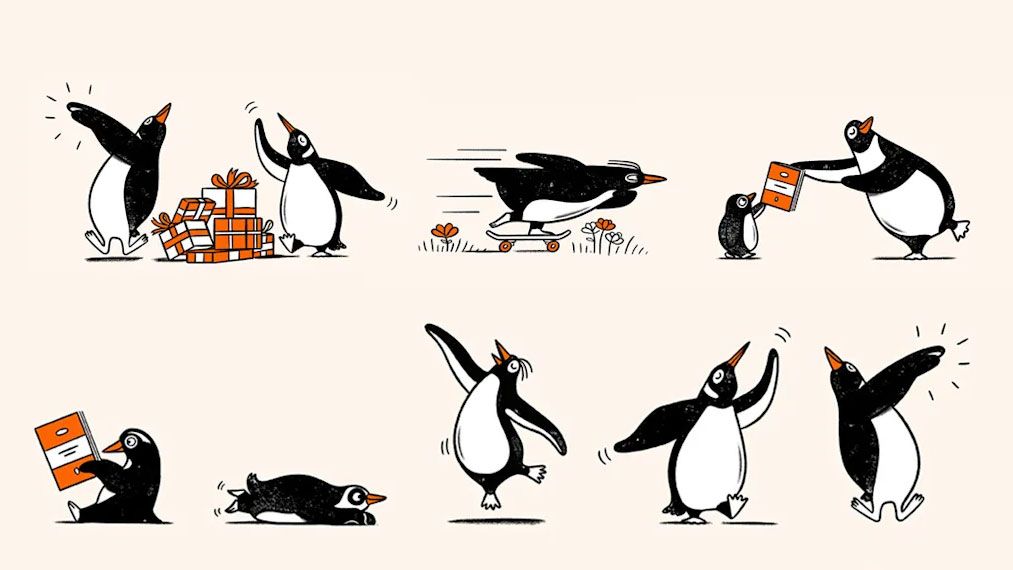
Artist Shares How He Created Penguin Random House's Playful Penguins Campaign
Artist Shares How He Created Penguin Random House's Playful Penguins Campaign The Playful Penguins campaign for Penguin Random House is a masterclass in character-driven illustration. In this exclusive look, the artist behind the project reveals his creative journey. He details how a single character, Alan the penguin, evolved into a vibrant ensemble cast. This process showcases the power of thoughtful design in major publishing branding. Discover the inspiration, sketches, and final artwork that brought this whimsical world to life. Learn how a cohesive visual identity is built from the ground up.
From Solo Act to Star-Studded Cast: The Genesis of the Penguins The project began with a simple directive: create a mascot for Penguin Random House. The initial concept centered on a single, charming penguin named Alan. Alan was designed to be approachable and friendly, embodying the joy of reading. However, the creative vision quickly expanded. The artist asked a pivotal question: why should the fun stop at one character? This sparked the idea to build an entire community around Alan.
Building Alan's World: Character Design Philosophy Each new penguin was crafted with a distinct personality and role. The artist focused on diversity in expression, posture, and accessory. This ensured every character felt unique yet part of a harmonious group. The goal was to mirror the vast, diverse world of books published by Penguin Random House. Just as books offer different genres and stories, the penguins offered different points of visual connection. Alan: The curious and welcoming leader. Bella: The bookish penguin, always seen with a novel. Cosmo: The adventurous explorer with a telescope. Dot: The creative artist, splashed with paint.
The Creative Process: Sketch to Final Illustration Transforming initial sketches into a polished campaign required meticulous attention. The artist moved through several key phases. Each stage refined the characters and solidified the campaign's playful tone.
Phase 1: Conceptual Thumbnails and Mood Early sketches explored various poses and interactions between the penguins. The mood was set to be light-hearted, engaging, and full of movement. This phase established the core dynamics of the ensemble cast. Reference was drawn from classic animation and modern character design. The artist wanted the penguins to feel timeless yet fresh. This balance was crucial for a lasting brand campaign.
Phase 2: Digital Rendering and Color Palette Once sketches were approved, the move to digital tools began. A limited but vibrant color palette was chosen to ensure brand consistency. The iconic Penguin Random House orange was used as a key accent color. Clean lines and soft shadows gave the penguins a tactile, almost toy-like quality. This approach made them instantly recognizable across various media, from websites to physical promotions. For more on how artists develop unique visual styles, explore how Miyazaki inspired this digital artist to turn to watercolours to create his RPG world.
Campaign Integration and Audience Impact The final Playful Penguins campaign was deployed across multiple channels. Social media, email newsletters, and website banners all featured the new ensemble. The characters were animated in short loops to enhance engagement. The reaction was overwhelmingly positive. The campaign successfully humanized the large publishing brand. It created a series of memorable mascots that readers could connect with on a personal level.
Why Mascots Resonate in Marketing Effective mascots, like this penguin ensemble, create emotional bridges with an audience. They transform a corporate entity into a relatable story. This builds brand loyalty and recall far beyond a simple logo. Not all mascots hit the mark, but the memorable ones become iconic. For a fascinating look at mascot design in a different arena, check out our piece on why Eurovision keeps making awful mascots and I’m here for it. The key takeaways for a successful character-driven campaign include: Clear Personality: Each character must have a defined role. Visual Consistency: A unified style ties the group together. Strategic Deployment: Use characters across all customertouchpoints. Emotional Connection: Design for warmth and approachability.
Conclusion: The Art of Brand Storytelling The journey of Alan and his friends demonstrates the profound impact of illustration in branding. The Playful Penguins campaign moved beyond decoration to become a core part of Penguin Random House's identity. It proves that great design tells a story audiences want to follow. Inspired to create your own unforgettable brand characters or campaign? The right creative partnership can bring your vision to life. Explore how Seemless connects visionary artists with ambitious brands to craft compelling visual narratives. Start your project today.