From Star Wars to Superman: How Industrial Light & Magic's Art Team Pictures Possibilities On Screen
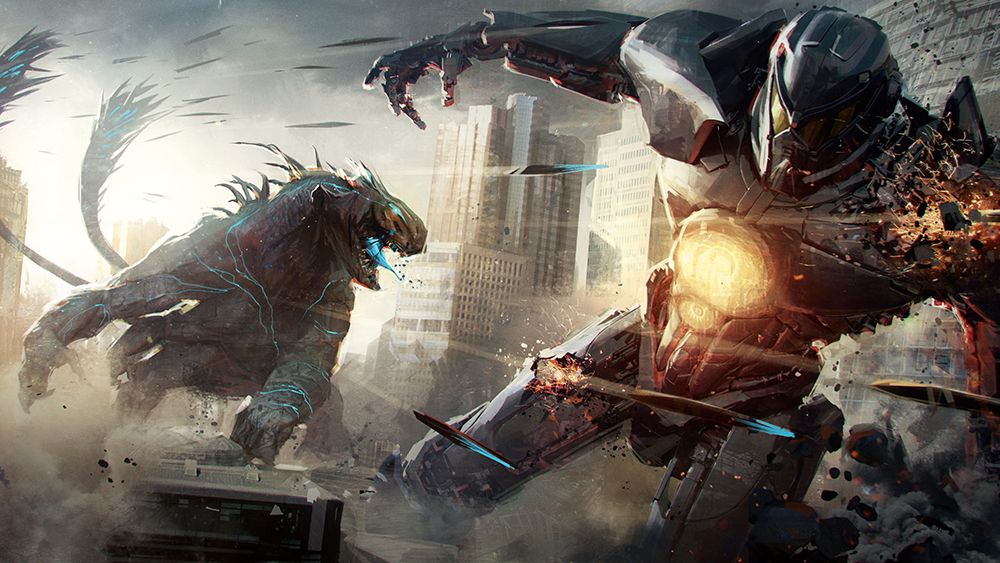
Industrial Light & Magic (ILM) has been the vanguard of cinematic visual effects for decades. From the iconic starships of Star Wars to the soaring heroics of Superman, ILM's concept art is the foundational blueprint that brings these incredible worlds to life. Supervising art director Jason Horley provides a unique insider's view into the creative engine room of ILM, revealing the culture and process behind their legendary concept art.
This art department is where the impossible becomes possible. It's a hub of imagination where artists picture entire universes long before a single frame is filmed.
The Role of Concept Art at Industrial Light & Magic
Concept art is far more than just pretty pictures. At ILM, it is a crucial tool for pre-visualization and problem-solving. These initial sketches and paintings establish the visual tone, design characters, and build environments for some of the biggest films.
Jason Horley explains that the art team works closely with directors and producers. Their goal is to translate a script's words into a cohesive visual language. This early work guides every subsequent department, from modeling to animation.
Visual Blueprinting: Creates a shared vision for the entire production team. Problem Solving: Works out logistical and aesthetic challenges before costly production begins. Inspiration: Serves as a source of inspiration for actors and crew, helping them understand the world they are inhabiting.
Inside ILM's Creative Culture with Jason Horley
According to Horley, the culture at ILM is built on collaboration and a relentless pursuit of innovation. The art department is a melting pot of diverse talents, each artist bringing a unique perspective to the table. This collaborative spirit is essential for tackling the complex visual demands of modern filmmaking.
The environment encourages artistic experimentation. Artists are empowered to explore bold ideas and push the boundaries of what is conceivable on screen. This freedom is what has led to many of cinema's most memorable visual moments.
From Sketch to Screen: The Journey of a Concept
The journey from a simple sketch to a final, photorealistic shot is a fascinating process. It often begins with rough thumbnails exploring different compositional ideas. These are refined into more detailed paintings that define lighting, color, and mood.
These approved concepts then move to the 3D modeling and texturing teams. They use the art as a precise guide to build digital assets. This seamless transition from 2D art to 3D reality is a testament to the clarity and detail of ILM's concept work.
Initial Thumbnails: Quick sketches to explore a wide range of ideas. Detailed Paintovers: Refined artwork that establishes the final look and feel. 3D Modeling & Texturing: Digital artists build the assets based on the concept art. Final Integration: The asset is lit, animated, and composited into the live-action plate.
This process ensures visual consistency across massive projects. It's a workflow that balances creative freedom with precise execution, much like how modern tools aim to bring clarity to complex systems.
Iconic Projects: Star Wars, Superman, and Beyond
ILM's portfolio is a veritable museum of pop culture history. The art team's contributions to the Star Wars saga are legendary. They designed everything from the gritty interiors of starfighters to entire alien landscapes, creating a universe that feels both fantastical and tangible.
More recently, their work on the latest Superman films redefined the look of Metropolis and the Man of Steel himself. The concept art established a new visual grandeur for superhero cinema, blending power with humanity. This level of world-building is crucial, similar to the rich environments found in games like Monster Hunter Stories 3.
These projects demonstrate ILM's incredible range. They can craft the intimate detail of a character's costume and the epic scale of an interstellar battle with equal skill.
The Future of Visual Storytelling at ILM
The tools and technologies are always evolving, but the core mission remains the same: to tell compelling stories through breathtaking imagery. ILM continues to invest in new techniques, including real-time rendering and virtual production.
These advancements allow for even greater creative agility. Directors can now see their worlds come tolife on LED volumes in real-time, a process heavily reliant on robust pre-visualization art. This technological shift echoes broader industry trends, such as the convergence seen in gaming platforms.
The future promises even more immersive and visually stunning experiences. ILM's art team will undoubtedly be at the forefront, picturing the next generation of cinematic possibilities.
Conclusion
Industrial Light & Magic's concept art culture is the unsung hero of blockbuster filmmaking. Under leaders like Jason Horley, the art department provides the essential vision that guides these monumental productions. From the deserts of Tatooine to the skies of Metropolis, their work continues to captivate audiences worldwide.
Are you inspired by the power of visualization to transform ideas into reality? Explore how Seemless can help you bring clarity and efficiency to your own creative or technical projects. Visit our blog to learn more.