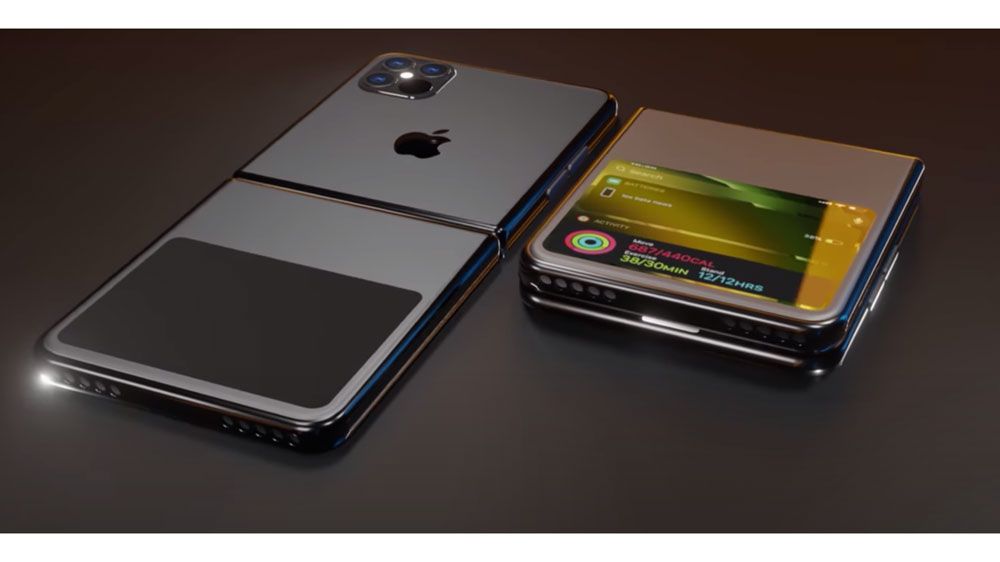
Apple Was So Close to Giving Us a Flip Phone
The idea of an Apple flip phone has tantalized tech enthusiasts for years. Rumors and patent filings have often suggested that substance ultimately won over style in Cupertino's boardrooms. While the modern iPhone design has become iconic, the path not taken—a folding device—reveals a fascinating story about innovation and market strategy.
This near-miss in Apple's product history highlights a critical crossroads. It shows how the company prioritizes engineering integrity and user experience over fleeting trends. Exploring this 'what if' scenario gives us deeper insight into Apple's legendary design philosophy.
The Allure of the Flip Phone Design
Flip phones evoke a strong sense of nostalgia and tactile satisfaction. The simple act of snapping a phone shut to end a call is a lost pleasure. For a company like Apple, known for its sensory design, the appeal was undoubtedly present.
Beyond nostalgia, the flip phone form factor offers practical benefits. A folding design naturally protects the main screen when not in use. It also allows for a more compact device that fits easily into pockets, addressing a common complaint about modern smartphones.
Why Apple Explored the Flip Concept
Patent documents and insider reports confirm Apple's serious R&D into folding mechanisms. This wasn't just a passing fancy. The company invested significant resources into solving the unique challenges of a durable hinge and a crease-free flexible display.
Their exploration likely aimed to redefine the category. Apple wouldn't just make a flip phone; they would seek to perfect it. The goal was to merge the compact convenience of a flip with the full power of iOS, creating a truly novel user experience.
The Engineering Hurdles Apple Faced
Creating a reliable folding mechanism is a monumental engineering task. The hinge must withstand tens of thousands of openings and closings without failure. For Apple, known for its build quality, anything less than perfection would be unacceptable.
The biggest challenge, however, was the display. Early flexible screen technology often resulted in a visible crease and compromised durability. Apple's relentless focus on display quality meant they would not ship a product with a subpar screen, a standard that echoes in their approach to all product design, much like the principles discussed in our article on How shape can make or break your character art.
Key Compromises Apple Was Unwilling to Make
When evaluating a potential flip phone, several critical compromises emerged. These were deal-breakers for a company built on a holistic user experience.
- Battery Life: A folding design splits the internal space, often leading to smaller batteries.
- Durability: Introducing a moving part inherently increases potential failure points.
- Camera System: Accommodating flagship-grade camera sensors in a thin folding chassis is extremely difficult.
- Software Experience: iOS would need a complete overhaul for a seamless folding screen experience, a massive undertaking.
The Market Decision: Substance Over Style
In the end, the decision came down to core values. While a flip phone offered stylistic flair and novelty, it introduced technical compromises. Apple's brand is built on reliability, performance, and seamless integration.
Launching a product that could be perceived as fragile or gimmicky was too great a risk. The company chose to double down on perfecting the traditional slate form factor. This allowed them to advance chip technology, camera systems, and build quality in ways a folding device might have hindered.
This focus on the fundamentals has consistently paid off. It’s a reminder that in tech, as in content creation, understanding your core strength is vital. Sometimes, the boldest move is to refine what you already do best, a lesson mirrored in building a strategic YouTube dashboard for focused growth.
The Legacy of the Unreleased Flip Phone
The research wasn't wasted. Technologies developed for the folding project likely informed other products. Advancements in materials science and miniaturization found their way into iPhones, iPads, and MacBooks.
Furthermore, it cemented Apple's reputation for patience. The company watches competitors test new form factors, learns from their mistakes, and only enters a market when it can deliver a definitive product. This calculated approach is a hallmark of their strategy.
Conclusion: The Path Not Taken
The story of the Apple flip phone is a compelling "what if" in tech history. It demonstrates that true innovation isn't just about adopting every new trend. It's about rigorous evaluation and an unwavering commitment to the user experience.
Apple's choice to prioritize substance over a stylistic flip phone has shaped the smartphone landscape we know today. It underscores that the most meaningful design choices often happen behind the scenes, long before a product ever reaches the market. For more insights on navigating public perception and product messaging, consider the lessons in this story about a viral backlash.
What classic tech design do you wish would make a comeback? Share your thoughts and explore more deep dives into the intersection of design, technology, and strategy over on the Seemless blog for your weekly dose of insightful analysis.