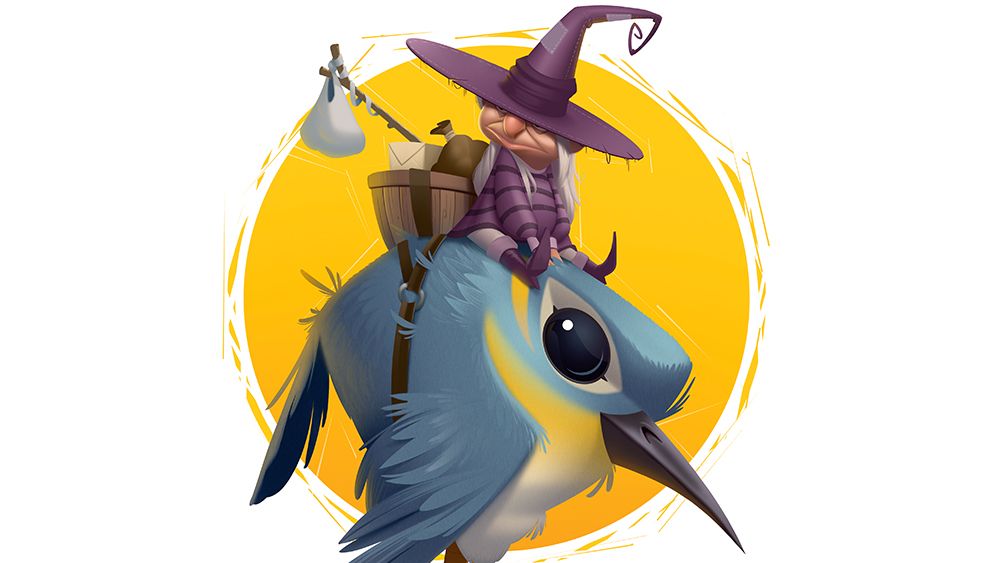
How Shape Can Make or Break Your Character Art
Character art is more than just drawing figures. It's about storytelling through visual cues. One of the most powerful tools in an artist's arsenal is shape language. Understanding how to use shapes can transform your character designs from generic to unforgettable.
In this guide, we'll explore how Eran Alboher leverages shape language to create compelling compositions. His techniques show that every curve, angle, and line contributes to a character's narrative. Let's dive into the principles that make shape so essential.
The Fundamentals of Shape Language
Shape language refers to the use of geometric forms to convey personality and emotion. Circles often suggest softness and friendliness. Squares imply stability and strength. Triangles can indicate danger or dynamism.
By combining these shapes, artists build a visual vocabulary. This foundation helps audiences instantly understand a character's role. It's a subtle yet powerful way to communicate without words.
Why Shape Matters in Character Design
Shapes influence how viewers perceive your characters. Rounded shapes make characters feel approachable and safe. Angular shapes create tension and excitement. Mastering this balance is key to effective design.
Consider iconic characters like Mickey Mouse or Batman. Their silhouettes are instantly recognizable because of distinct shapes. This immediate recognition is the goal of strong character art.
Eran Alboher's Approach to Shape Language
Eran Alboher is a master of using shapes to tell stories. His character compositions are rich with intentional design choices. He starts with basic forms to establish a character's core traits.
Alboher emphasizes the importance of silhouette readability. A strong silhouette ensures the character is recognizable even in shadow. This clarity is crucial for impactful character art.
Key Techniques from Alboher's Work
Alboher's process involves several key steps. First, he defines the primary shape that represents the character's essence. Next, he adds secondary shapes to enhance personality.
- Primary Shapes: Establish the overall feel (e.g., circles for kindness).
- Secondary Shapes: Add depth and complexity (e.g., triangles for aggression).
- Silhouette Testing: Ensure the character reads clearly in black and white.
These techniques help create characters that are both visually appealing and narratively strong. Alboher's work demonstrates how shape language can elevate any design.
Applying Shape Language in Your Own Art
You don't need to be a professional to use shape language effectively. Start by analyzing your favorite characters. Break them down into basic shapes to understand their design.
Practice sketching characters using only simple forms. Focus on how different shapes change the character's feel. This exercise will sharpen your design instincts over time.
Common Mistakes to Avoid
Many artists overlook the importance of shape consistency. Inconsistent shapes can confuse the audience. Avoid mixing too many conflicting forms in one character.
Another common error is neglecting the silhouette. Always test your character in silhouette form. If it's not readable, simplify the shapes until it is.
Learning from others' experiences can also be invaluable. For instance, this article discusses how feedback shapes creative growth. Similarly, this piece explores lessons from engaging with passionate communities.
Advanced Shape Language Techniques
Once you've mastered the basics, explore advanced applications. Use shape language to show character development. A villain might start with sharp angles that soften over time.
Consider how shapes interact in group compositions. Contrasting shapes can highlight relationships between characters. This adds another layer of storytelling to your art.
Tools and Resources for Practice
Several tools can help you practice shape language. Digital art software like Photoshop offers shape tools for quick sketches. Traditional artists can use stencils or cut paper.
- Digital Software: Photoshop, Procreate, Clip Studio Paint
- Traditional Tools: Geometric stencils, paper cutouts
- Online Tutorials: YouTube channels, art blogs
For more creative inspiration, check out this analysis of innovative design in retro gaming. It shows how classic principles apply to modern projects.
Conclusion: Shape Your Story with Confidence
Shape language is a cornerstone of effective character art. It bridges the gap between visual design and storytelling. By mastering shapes, you give your characters a voice before they even speak.
Start applying these principles to your work today. Experiment with different shapes and see how they transform your designs. Remember, every great character begins with a simple form.
Ready to take your character art to the next level? Explore more tips and tutorials with Seemless. Join our community to share your progress and get feedback.
