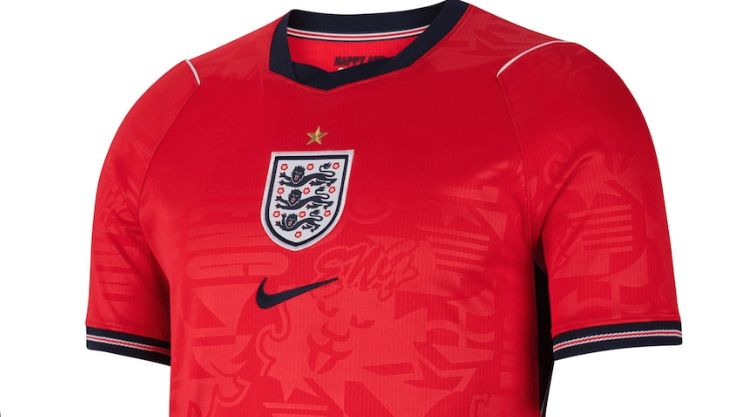
England Team's World Cup Kit Teaser Accused of Being AI Slop
The England football team's latest World Cup kit teaser has ignited a firestorm online. Critics are branding the design as "AI slop," suggesting it lacks the human touch and creativity expected for such a prestigious tournament. This controversy highlights the growing tension between artificial intelligence and traditional design in sports marketing.
Fans and pundits alike were quick to dissect the short video reveal. Many pointed to generic visual elements and a perceived lack of originality as hallmarks of AI-generated content. The phrase "Good luck to the IV Omree Lionss," which appeared in the teaser, only fueled suspicions of automated, error-prone creation.
Dissecting the "AI Slop" Allegations
What exactly makes a design look like "AI slop"? It often comes down to a combination of factors that feel slightly off. The visuals might be polished but lack a coherent narrative or emotional depth.
Common criticisms include:
Generic Imagery: Stock-like elements that fail to capture team spirit. Inconsistent Details: Minor flaws, like the misspelled "IV Omree Lionss," hint at non-human generation. Lack of Authenticity: A sterile feel that doesn't resonate with fan culture.
This situation echoes recent industry debates. For instance, the Crimson Desert dev apologizes for use of AI art after fan backlash over similar authenticity concerns.
The Role of Human Creativity in Sports Branding
Historically, iconic sports kits are born from meticulous human design processes. Designers spend months researching team history, fan sentiments, and cultural symbols. This human-centric approach ensures the final product tells a story.
AI tools, while powerful, often struggle with this nuanced, emotional layer. They can assemble elements based on data but may miss the subtle touches that make a design feel authentic. The England kit teaser controversy underscores the irreplaceable value of human artists in the creative pipeline.
The journey of a skilled artist, like in our feature How an Apex Legends artist went from traditional painting to video games, demonstrates the depth of skill involved in creating compelling visuals that resonate with audiences.
When Technology Complements, Not Replaces
This isn't to say AI has no place in design. Used correctly, it can be a powerful assistant. It can generate initial concepts, handle repetitive tasks, or create complex patterns that would take humans much longer.
The key is a collaborative approach. Human designers should guide the AI, refining its output to ensure quality and authenticity. The goal is augmentation, not replacement, leveraging technology to enhance creativity rather than dilute it.
Fan Reaction and the Future of Kit Reveals
The backlash against the England kit teaser was swift and vocal on social media. Fans expressed disappointment, feeling that the design didn't live up to the team's legacy. This immediate feedback loop is a powerful force in modern sports marketing.
Brands are now on notice. Supporters expect high levels of craftsmanship and authenticity. A poorly received teaser can damage brand trust and fan engagement before the tournament even begins. This incident will likely force teams and sponsors to reevaluate their creative processes.
Future kit reveals might involve:
Greater transparency about the design process. Earlier fan engagement to gather feedback. A clear commitment to human-led creative direction.
The Technical Side: Tools and Workflows
Creating a successful kit design requires robust tools. Powerful hardware, like the machines discussed in Why the new MacBook Pros are more revolutionary than they look, can handle the intensive rendering needed for high-quality visuals. However, the tool is only as good as the artist wielding it.
A seamless workflow combines cutting-edge technology with artistic vision. It's about choosing the right tools for the job and using them to execute a clear, human-driven creative brief.
Conclusion: Striking the Right Balance
The "AI slop" accusation against the England World Cup kit teaser is a cautionary tale. It highlights the risks of prioritizing speed and cost over quality and authenticity in design. While AI offers exciting possibilities, it must be integrated thoughtfully, with human creativity remaining at the helm.
The goal for any brand should be a seamless blend of innovation and artistry. What are your thoughts on the use of AI insports design? Share your opinions and explore more discussions on creative technology over at Seemless.