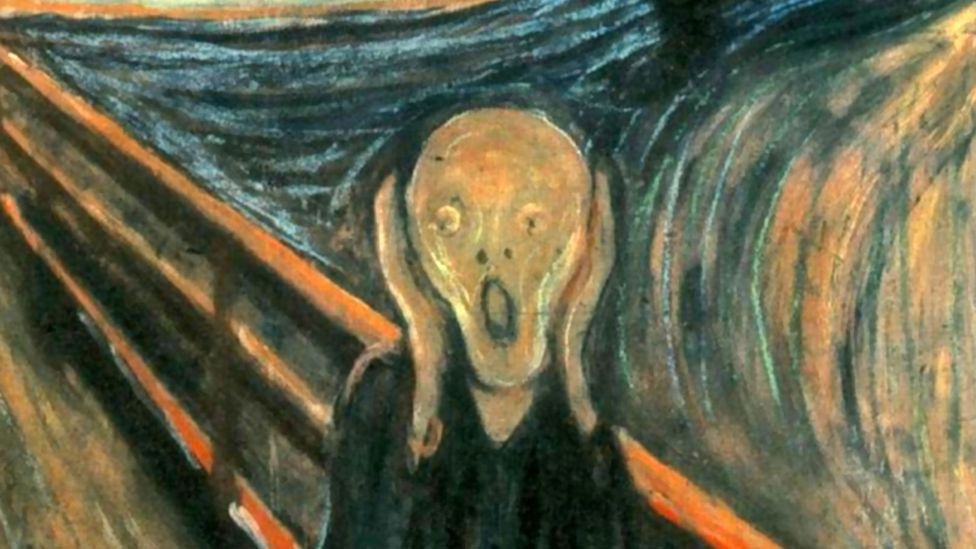
What will The Scream look like in 300 years? New tool predicts the future
Imagine viewing Edvard Munch’s The Scream not as it appears today, but as it might look centuries from now. A groundbreaking digital art tool now makes this possible, offering unprecedented insights into art preservation. This technology uses advanced algorithms to simulate aging, giving curators and art lovers a glimpse into the future of iconic works.
The implications are vast for museums, historians, and collectors. By predicting degradation, this tool helps plan conservation efforts more effectively. It represents a significant leap in how we approach art longevity and cultural heritage.
How the digital art prediction tool works
This innovative tool leverages machine learning and environmental data to forecast changes in artworks. It analyzes factors like light exposure, humidity, and material composition. The system then generates a visual projection of the artwork’s future state.
Researchers input details about the painting’s current condition and display environment. The algorithm processes this information to model decay patterns over time. This allows for accurate predictions of color fading, cracking, and other forms of deterioration.
Key technologies behind the predictions
The core of the tool is a neural network trained on thousands of art conservation case studies. It compares historical data with real-time sensor readings from museum settings. This combination ensures highly reliable forecasts.
Additionally, the software incorporates chemical modeling to simulate material interactions. It accounts for how different pigments and canvases react to environmental stressors. This multi-faceted approach sets it apart from previous methods.
Benefits for art conservation and museums
Museums can use this tool to proactively protect their collections. By understanding future risks, they can adjust lighting, temperature, and humidity controls. This proactive stance helps preserve masterpieces for generations to come.
Conservators gain a powerful planning aid for restoration projects. They can prioritize works most at risk and test various preservation strategies virtually. This saves time, resources, and minimizes unnecessary handling of fragile art.
Practical applications in modern museums
- Exhibition planning: Optimize display conditions to extend artwork lifespan.
- Risk assessment: Identify which pieces need immediate conservation attention.
- Educational programs: Show visitors the importance of preservation through future projections.
- Insurance and valuation: Provide data for assessing long-term value and insurance needs.
This tool also supports digital archiving efforts. Museums can create detailed records of predicted changes, adding a temporal dimension to their archives. This enriches the historical narrative of each piece.
Challenges and ethical considerations
While promising, the technology faces several challenges. Accurate predictions require vast amounts of high-quality data, which isn’t always available. Variations in storage conditions across institutions can also affect model reliability.
Ethically, there are questions about how these predictions should be used. Should museums display altered versions of artworks? How do we balance authenticity with preservation? These discussions are crucial as the tool gains adoption.
Potential limitations of predictive art tools
- Dependence on consistent environmental data inputs.
- Unforeseen material interactions not covered by existing models.
- Ethical dilemmas in presenting "future" versions to the public.
- Cost and accessibility for smaller institutions.
Despite these hurdles, the benefits outweigh the challenges. Continuous improvements in AI and data collection will enhance accuracy over time. Collaboration between tech developers and art experts is key to addressing ethical concerns.
In a similar vein of technological innovation and scrutiny, consider the story behind a $2.5 billion scam involving AI chips and fake servers. It highlights both the potential and pitfalls of emerging technologies.
The future of art in the digital age
This tool is part of a broader movement to digitize and safeguard cultural heritage. From 3D scanning to virtual reality galleries, technology is transforming how we experience art. These advancements make art more accessible while ensuring its preservation.
Looking ahead, we might see predictive tools integrated with blockchain for provenance tracking. This could create an immutable record of an artwork’s condition and ownership history. Such innovations promise a more transparent and secure art market.
Meanwhile, other sectors also see regulatory shifts impacting technology adoption. For instance, the SEC recently closed its investigation into EV startup Faraday Future, signaling evolving oversight in tech-driven industries.
Embracing technology for cultural preservation
Adopting tools like this prediction software requires investment and training. Museums must partner with tech firms to develop customized solutions. Grants and funding programs can support smaller institutions in this transition.
Public engagement is also vital. When people see the future of artworks like The Scream, they understand the urgency of conservation. This fosters greater support for museum initiatives and cultural funding.
Conclusion
The ability to predict how The Scream will look in 300 years marks a revolutionary step in art conservation. This digital tool empowers museums to protect our shared heritage with unprecedented precision. It blends art history with cutting-edge technology to safeguard masterpieces for future generations.
As we explore these innovations, staying informed about tech trends is essential. For the latest insights and tools, visit Seemless. Discover how technology is shaping various fields, from art to everyday conveniences like the best deals from Amazon’s Big Spring Sale. Join the conversation and explore more at Seemless today!