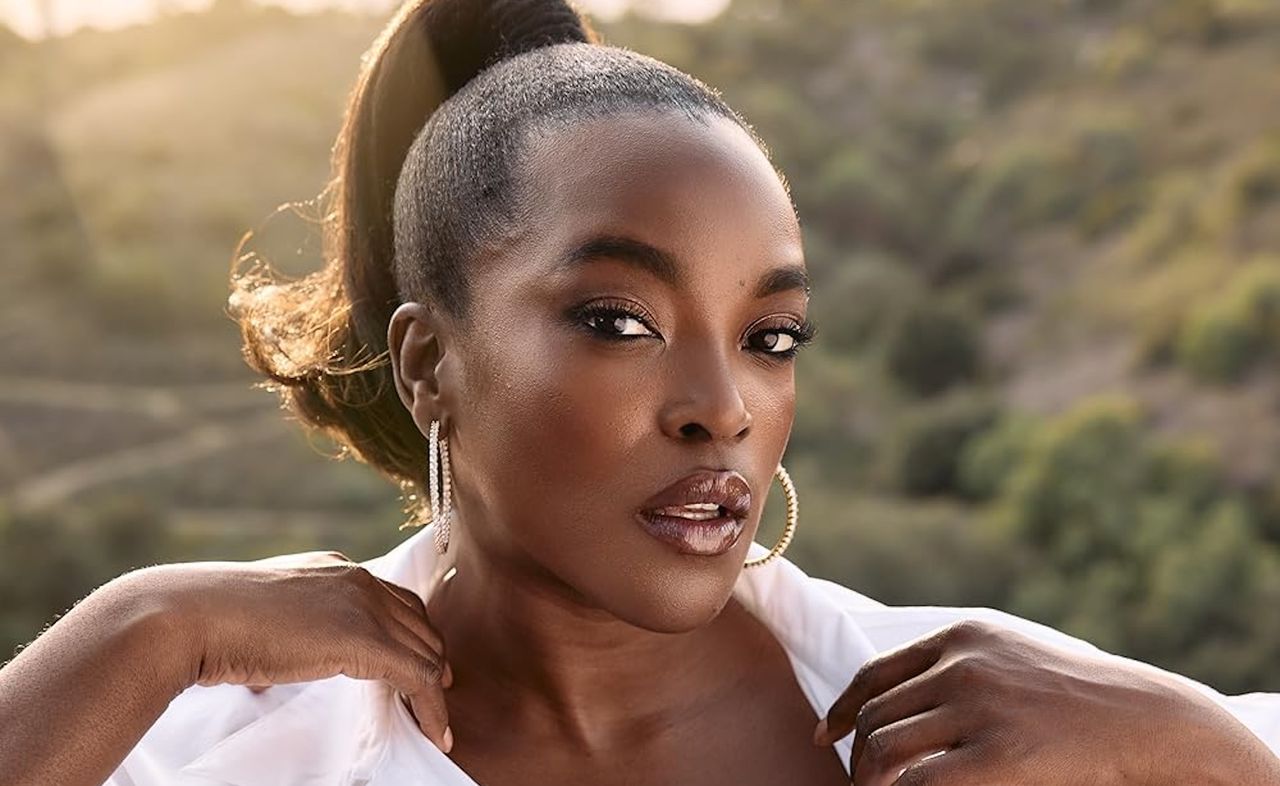
Artist Apologizes for Controversial New Yorker Illustration of Actor Wunmi Mosaku
An illustration in The New Yorker magazine depicting actor Wunmi Mosaku has sparked significant backlash online. The artist behind the piece has since issued an apology, stating, "I'll do better next time." This incident highlights ongoing discussions about representation and sensitivity in media art.
Public reactions have been swift and critical, with many calling the portrayal problematic. The controversy underscores the importance of mindful artistic expression in today's cultural landscape.
Understanding the Backlash
The illustration, featured in a recent issue, was meant to accompany an article but instead drew ire for its depiction. Critics argue it missed the mark on accuracy and respect. Social media platforms amplified these concerns, leading to widespread debate.
Many fans of Mosaku expressed disappointment, feeling the art did not reflect her true likeness or essence. This has raised questions about editorial oversight and artistic responsibility in major publications.
Key Factors in the Controversy
Several elements contributed to the strong negative response. The style and execution were seen as reductive by some audiences. Others pointed to a lack of diversity in decision-making roles as a root cause.
Historical context also plays a role, with similar incidents occurring in media before. This has fueled calls for more inclusive practices across the industry.
Artist's Response and Apology
The illustrator quickly addressed the outcry with a public statement. They acknowledged the shortcomings and pledged to learn from the experience. "I'll do better next time" was emphasized as a commitment to growth.
This apology was met with mixed reactions; some appreciated the accountability, while others felt it was insufficient. It highlights the challenges creators face in navigating public perception.
Broader Implications for Media and Art
This event is part of a larger conversation about representation in visual media. It stresses the need for cultural competence and diversity behind the scenes. Publications are increasingly being held accountable for their content.
Artistic freedom must balance with ethical considerations to avoid missteps. Learning from such incidents can drive positive change in how stories are illustrated and told.
Lessons for Content Creators
Content creators, including artists and writers, can take away important insights from this situation:
- Always consider the impact of your work on diverse audiences.
- Seek feedback from varied perspectives before publishing.
- Commit to continuous learning and improvement in your craft.
Implementing these practices can help prevent similar controversies and foster more inclusive creativity.
Connecting to Wider Trends
This incident mirrors larger trends in media and technology, where accountability and representation are paramount. For example, recent news about Binance.US Names New CEO shows leadership changes aiming for better governance.
Similarly, innovation in other sectors, like the Cursor Said to be Raising at $50 Billion Valuation, reflects a focus on growth and adaptation. Even consumer tech, such as One of the best Amazon Spring Deals I've found is £100 off the Galaxy Watch 7, emphasizes value and accessibility—principles that apply to artistic content too.
Conclusion
The controversy over The New Yorker's illustration of Wunmi Mosaku serves as a reminder of the power and responsibility inherent in creative work. By embracing feedback and striving for inclusivity, artists and publishers can build more respectful and engaging content.
For more insights on trending topics and thoughtful analysis, explore Seemless for curated updates and discussions. Join the conversation and stay informed with us!