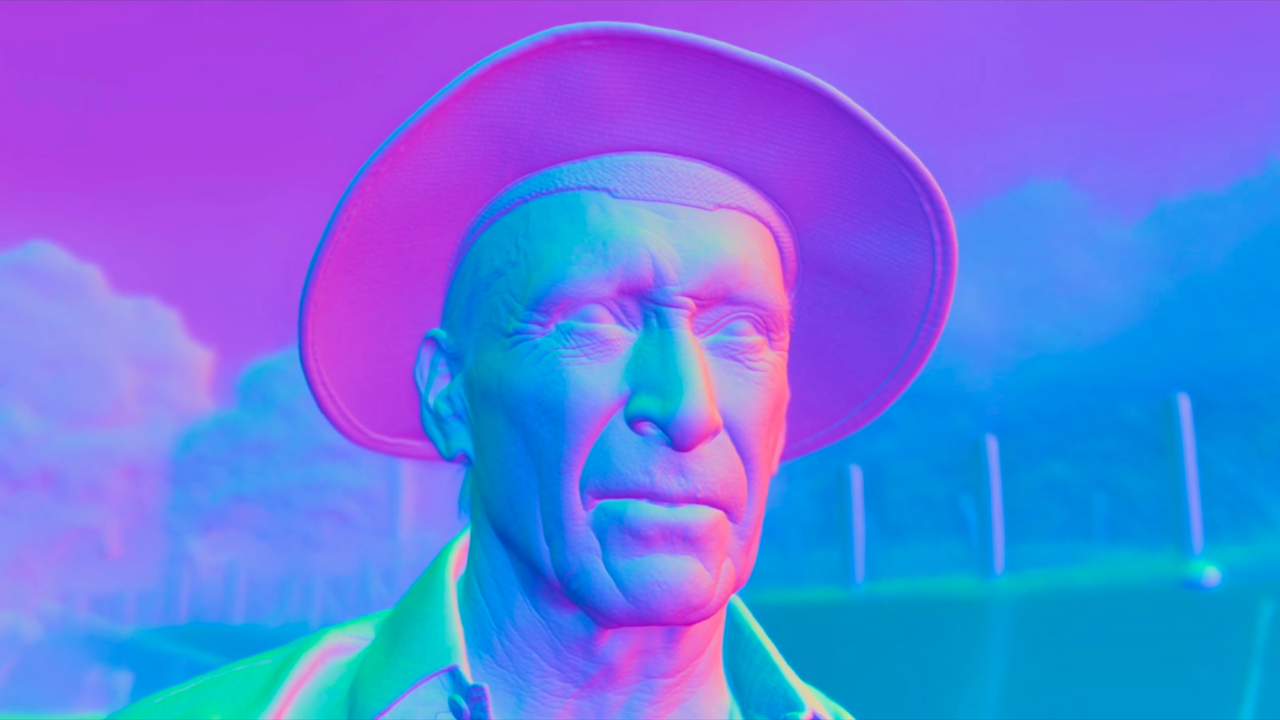
How We Taught AI to Understand Light: A Transformational Win for Artists
The quest to teach artificial intelligence to understand light has been a monumental challenge in computer vision and creative technology. For artists and filmmakers, achieving this has been nothing short of transformational. This breakthrough in AI light understanding represents a major win, fundamentally altering how digital scenes are rendered and illuminated. It moves beyond simple pattern recognition to a deeper, more intuitive comprehension of how light interacts with the physical world.
This advancement unlocks unprecedented creative potential, enabling tools that respond to light with the nuance of a human artist. The implications stretch from film production and video game development to architectural visualization and virtual production. Understanding this journey reveals why it's such a pivotal moment for the creative industry.
The Core Challenge: Moving Beyond 2D Pixels
Traditional AI image models are exceptional at analyzing pixels and patterns. However, they often lack a fundamental grasp of the three-dimensional properties that create those pixels—namely, light, shadow, material, and depth. Teaching AI to understand light required a paradigm shift from 2D analysis to 3D scene comprehension.
Simulating the Physics of Light
The first step was moving from statistical guesswork to physical simulation. Researchers trained models using vast datasets of 3D environments where the precise properties of every light source and surface were known. The AI learned by observing how changes in:
- Light Intensity: Altering brightness and falloff.
- Light Direction: Shifting angles to create shadows.
- Light Color Temperature: Modifying from warm to cool hues.
- Surface Material: Comparing reflections on metal, diffusion on cloth, and refraction on glass.
This grounded the AI's "understanding" in real-world physics rather than artistic style alone.
Transformational Applications for Creators
The practical applications of this technology are where the transformational promise is realized. For artists and filmmakers, tedious manual tasks are being automated, and new forms of expression are emerging.
Revolutionizing Post-Production & Visual Effects
In film and video, AI that understands light can perform miracles in post-production. It can realistically:
- Relight entire scenes after filming, changing the time of day or mood without reshoots.
- Match the lighting and color grading of new CGI elements to live-action footage seamlessly.
- Remove unwanted shadows or reflections with context-aware precision.
This drastically reduces costs and expands creative flexibility, allowing for more iterative and experimental workflows. For more on enhancing video content, explore our guide on How to Use Hooks to Drive Engagement on Your Videos.
Empowering Real-Time Creative Tools
Game developers and real-time artists are witnessing a revolution. Engines can now use AI to generate dynamic, realistic lighting that responds to environmental changes in real-time. This means more immersive worlds created faster, lowering the technical barrier for indie creators and small studios to achieve AAA visual fidelity.
The Future: AI as a Collaborative Creative Partner
This is not about replacing artists but augmenting them. The future lies in AI as an intuitive collaborator. Imagine describing a lighting setup in natural language—"a soft, golden hour glow from the window"—and having an AI tool instantly generate a base configuration. The artist then refines and directs, focusing on creative intent over technical execution.
This shift mirrors larger trends in creative AI, similar to how Shopify is preparing for AI shopping agents to change everything in e-commerce. In both cases, AI handles complexity, freeing humans for strategy and storytelling.
Democratizing High-End Production
Perhaps the most significant win is democratization. High-quality lighting, once the domain of well-funded studios with expensive software and rendering farms, is becoming accessible. A solo creator can now achieve visuals that were previously impossible, leveling the playing field and fostering innovation. Managing this new, efficient workflow also impacts the bottom line; for tips, see How to manage your finances as a self-employed creator.
Conclusion: A New Dawn for Digital Art
Teaching AI to understand light is a cornerstone achievement. It is transformational because it touches the very essence of how we perceive and create imagery. This major win for artists and filmmakers heralds a new era of efficiency, accessibility, and creative exploration. The tools are becoming more intelligent, but the vision remains uniquely human.
Ready to explore how intelligent tools can transform your creative process? Discover the possibilities with Seemless, where advanced AI meets intuitive design. Start creating with Seemless today.