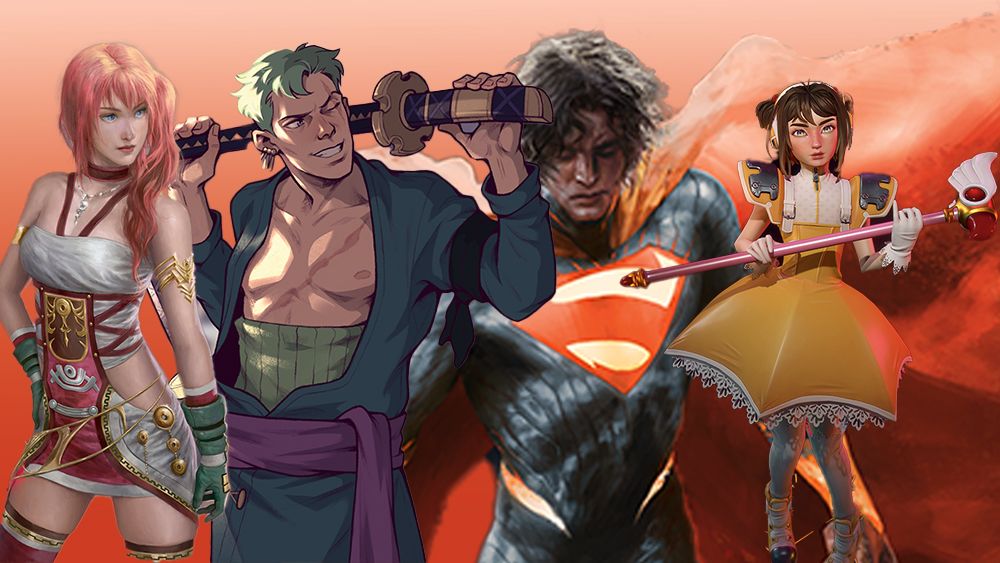
From Movies to Video Games: Can Fan Art Be Genuinely Creative?
The vibrant world of fan art, spanning blockbuster movies and immersive video games, is a testament to passionate creative expression. Yet, it sits at the heart of a complex debate about authenticity and originality. Is work derived from existing intellectual property truly creative, or is it merely imitation? This question is actively explored by artists and academics, who are redefining what it means to create within—and beyond—established universes.
Defining Creativity in a Derivative Space
At its core, creativity is the act of producing something both novel and valuable. Critics of fan art argue that by using pre-existing characters and worlds, the work lacks fundamental originality. They see it as a secondary act, forever tied to its source material.
However, this perspective overlooks the transformative nature of much fan creation. Artists don't just copy; they reinterpret, recombine, and reimagine. A familiar character placed in an unfamiliar genre or emotional context requires significant creative vision.
The Academic Perspective on Artistic Value
Academics in cultural studies point to fan art as a form of participatory culture. It is a dialogue between the fan and the original work. This dialogue generates new meaning and community, which are inherently creative outcomes.
Scholars argue that creativity exists on a spectrum. Pure, ex-nihilo invention is rare. Most art builds upon or reacts to what came before, making fan art a visible and valid point on that continuum.
The Legal and Ethical Gray Area
The question of creativity is deeply entangled with legal copyright and ethical considerations. Fan artists operate in a contested space, often relying on tacit permission or fair use doctrines.
This landscape is constantly shifting, as seen in high-profile legal cases surrounding intellectual property and digital creation. For instance, recent corporate actions, like Adobe's $150 million settlement over cancellation policies, highlight the complex relationship between creators, platforms, and the tools they use.
Monetization and Authentic Expression
Can fan art be sold? This question tests the boundaries of authenticity. When money enters the equation, the "pure" love for the source material is often scrutinized.
- Platform Policies: Sites like Etsy and Redbubble are filled with fan art, operating under specific content guidelines.
- Artist Livelihoods: For many, fan art commissions are a crucial income source, blending passion with profession.
- Corporate Response: Some IP holders issue takedowns, while others embrace it as free marketing and community engagement.
The tension between creative homage and commercial infringement remains unresolved, influencing how artists navigate their practice.
Case Studies: Video Games and Cinematic Universes
Different media inspire different forms of fan creativity. The interactive nature of video games offers a unique canvas. Fans create mods, elaborate cosplay, and digital paintings that explore untold stories or alternative aesthetics within game worlds.
This creative push often parallels technological advancements in the industry itself. For example, tools that enhance visual fidelity, such as Nvidia's DLSS 5 with generative AI, empower fans to produce ever more stunning and realistic game-based artwork, blurring the line between official and fan-made content.
From Fan Theory to Canon
In cinematic universes like Marvel or Star Wars, fan art frequently visualizes popular theories or "what-if" scenarios. This creativity can be so influential that it sometimes informs official decisions.
- Conceptual Exploration: Artists explore character backstories or relationships not fully detailed on screen.
- Style Fusion: Merging the aesthetic of one franchise with another (e.g., Disney characters in film noir).
- Narrative Completion: Creating art that provides closure to storylines left open by the original creators.
This process demonstrates that fan creativity isn't just decorative; it can be deeply narrative and analytical.
The Future of Fan-Driven Creativity
The debate over authenticity and originality in fan art is evolving. With the rise of AI-generated art and more accessible digital tools, the volume and variety of fan creations will only increase.
This expansion forces a continual re-examination of what constitutes creative ownership and value. As the digital economy grows, even major companies show shifting stances, as reflected in financial decisions like Intuit leaders canceling stock sales, signaling careful navigation of public and creator perception.
The community itself is the ultimate validator. When fan art resonates, sparks discussion, or inspires others, it proves its creative merit beyond any theoretical debate.
Conclusion
Fan art, from movies to video games, is a powerful demonstration of genuine creativity. It transforms consumption into active participation, building communities and generating new cultural meaning. While questions of legality and originality persist, the passion and innovation displayed by fan artists are undeniable. The creativity lies not in inventing a new universe from scratch, but in the unique, personal lens through which an existing world is re-seen and re-felt.
What's your take on the creativity of fan art? Explore more discussions on creativity, technology, and digital culture on the Seemless blog. Share your thoughts and join the conversation.