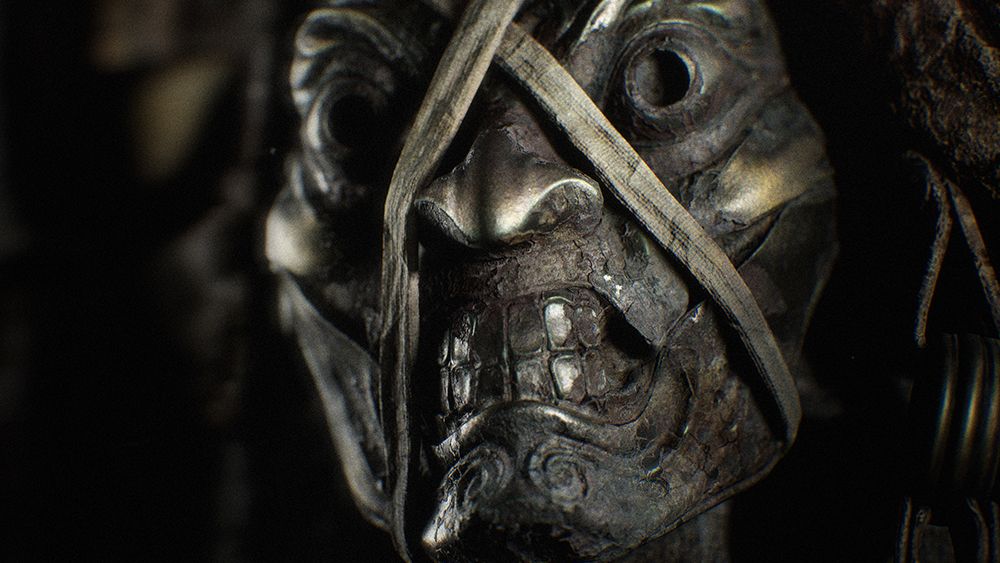
Check out the concept art for stunning Unreal Engine 5 horror game Ritual Tides
Prepare to be terrified and amazed. Ritual Tides is an indie horror game that promises to deliver AAA visuals powered by the incredible Unreal Engine 5. This upcoming title is generating significant buzz for its haunting atmosphere and breathtaking artistic direction. Let's dive into the chilling world of Ritual Tides and explore what makes its concept art so special.
Unreal Engine 5: Powering a New Era of Indie Horror
The release of Unreal Engine 5 has been a game-changer for developers. Its advanced lighting systems and geometry tools allow small teams to create visuals that rival major studio productions.
Ritual Tides is a prime example of this democratization of high-end graphics. The developers are leveraging UE5's Nanite and Lumen technologies to craft environments of unprecedented detail and realism.
Why This Engine Is Perfect for Horror
Horror games rely on atmosphere, and Unreal Engine 5 excels at building it. Real-time global illumination means every shadow is dynamic, creating a deeply unsettling and unpredictable environment.
This technical prowess allows the team behind Ritual Tides to focus on artistic vision. They can iterate quickly on lighting and scene composition to maximize dread, a crucial element for any successful horror experience.
Dissecting the Haunting Concept Art of Ritual Tides
The released concept art for Ritual Tides reveals a game with a strong, cohesive identity. The visuals suggest a world steeped in decay, occult mystery, and palpable tension.
Each piece tells a story, hinting at the game's lore and the psychological terror that awaits players. The art style blends realism with a nightmarish, painterly quality that is uniquely disturbing.
Key Themes in the Visual Design
The artwork consistently emphasizes several core themes that will define the gameplay and narrative:
- Isolation and Desolation: Vast, empty landscapes and crumbling architecture make the player feel utterly alone.
- Organic Corruption: Twisting, unnatural growths overtake man-made structures, suggesting a living, malevolent force.
- Ritualistic Imagery: Strange symbols and altars hint at the dark ceremonies that give the game its name.
- Subdued, Eerie Color Palettes: Muted blues, greys, and sickly greens dominate, punctuated by shocking contrasts of blood red or occult gold.
What We Hope to See in the Gameplay
While concept art sets the mood, gameplay seals the deal. Based on the visuals, we can speculate on some potential mechanics for Ritual Tides.
The emphasis on environmental storytelling suggests players will need to piece together the narrative from clues hidden in the world. The oppressive atmosphere points towards a focus on stealth and evasion over direct combat.
Potential Gameplay Mechanics
- Environmental Puzzle Solving: Using the haunting world itself to progress, perhaps by manipulating light and shadow or interpreting ritual symbols.
- Sanity or Fear Systems: The disturbing visuals could tie into a mechanic where perception changes as the character's mental state deteriorates.
- Sound-Based Stealth: Navigating carefully to avoid enemies drawn to noise, making every footstep in the eerie silence a tense decision.
This innovative approach to game design reminds us of other projects pushing technical boundaries, like the ambitious Aether OS, a computer in a browser built for the AT Protocol. Both represent exciting leaps in what's possible for independent developers.
The Rising Standard for Indie Development
Ritual Tides is part of a growing trend where indie games are no longer defined by graphical limitations. With powerful, accessible tools like UE5, small teams can compete on a visual level with industry giants.
This shift allows for more unique and daring creative visions to reach players. The focus can move from achieving technical parity to delivering a powerful, singular experience—in this case, one of deep, atmospheric horror.
Finding subtle, creepy details in media is a thrill for horror fans. It's similar to the experience described in our look at Spielberg's Disclosure Day poster and its creepy detail. Ritual Tides' concept art seems packed with that same potential for unsettling discoveries.
Conclusion: A Chilling Vision Worth Watching
Ritual Tides stands as a testament to the power of Unreal Engine 5 in the hands of passionate creators. Its stunning AAA visuals as an indie horror game are not just a technical achievement but a promise of an immersive, terrifying journey.
The concept art has successfully built immense anticipation by showcasing a world that is both beautiful and horrifying. If the final game delivers on this artistic promise, we could be looking at a new benchmark for atmospheric horror.
What do you think of the concept art for Ritual Tides? Are you excited to see how indie developers are leveraging new technology? For more insights into groundbreaking software and creative projects, explore the latest articles on Seemless.